
A forklift seat frame is the welded steel assembly that supports the operator’s seat and anchors it to the truck. It carries the seat and its suspension unit, provides the mounting points for the seat belt, and interfaces with the chassis or overhead guard structure. As the foundation of the operator’s workstation — and a key element of operator restraint — the seat frame must combine structural rigidity with precise fit and durable finish.
What It Does
- The frame supports the seat cushion, backrest, and suspension unit, transferring operator loads into the truck structure.
- Integrated anchorage points secure the seat belt, keeping the operator restrained within the protective structure.
- Mounting interfaces align the seat assembly with the chassis or overhead guard bolt patterns.
- The rigid welded construction minimizes flex and vibration transmitted to the operator.
- Powder-coated or painted surfaces protect the frame against corrosion and wear in daily use.
How to Select the Right Seat Frame
- Match the mounting hole pattern. Bolt circle dimensions and hole positions must align exactly with the truck’s chassis or seat suspension mounting points.
- Verify seat belt anchorage. Anchorage positions and strength must meet the applicable industrial-truck operator restraint requirements.
- Confirm seat compatibility. The frame’s top interface must suit the seat or suspension unit to be fitted, including slide rail or swivel options where used.
- Check weld quality and certification. As a safety-relevant weldment, the frame should come from an ISO 3834-certified welding process with full inspection.
- Review the surface finish. Coating type, color, and thickness should match the original specification and the operating environment.
- Consider operator variants. Different cab configurations and seat options may require specific frame variants.
Common Damage Signs
- Visible cracks in welds or bent members after impact or overloading.
- The seat rocks or shifts during operation, indicating loose mounting or a deformed frame.
- Coating damage, rust, or corrosion spreading across the frame surface.
- Mounting bolts repeatedly loosen, suggesting fatigue, mismatched fit, or thread damage.
- Excessive play between the frame and the seat suspension unit.
A compromised seat frame undermines operator restraint and comfort; it should be repaired or replaced before the truck returns to service.
OEM Cross-Reference Coverage
STARSAN engineers and manufactures seat frame assemblies as custom structural weldments, matched to OEM samples and drawings across the major forklift brands, including:
- Toyota / TCM / Mitsubishi / Komatsu / Hyundai / Hyster / Linde / Hangcha / Heli / Nissan: model-specific seat frame assemblies available on request
Seat frame designs are truck-series specific; fitment is confirmed against customer drawings, samples, and mounting specifications. Brand names are used for identification reference only.
Why STARSAN
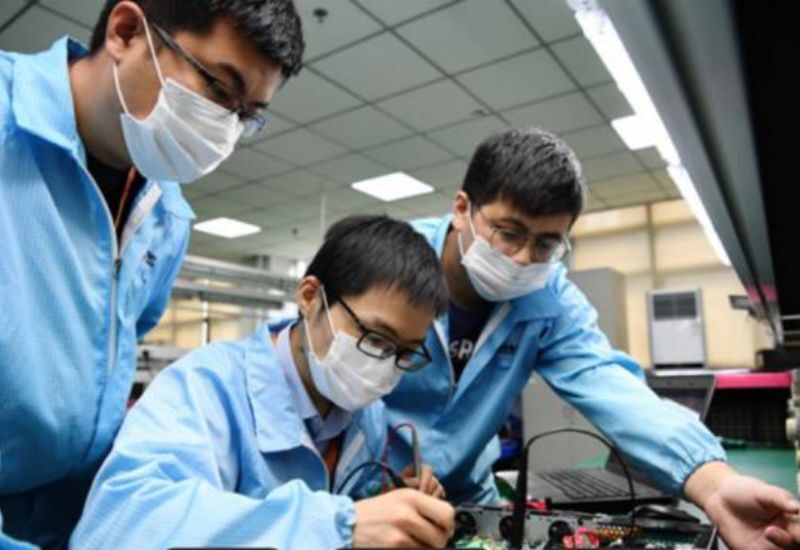
- Ningbo Xingcheng Engineering Machinery Co., Ltd. (brand STARSAN), founded in 2017 in Yuyao, Zhejiang, China, specializes in forklift brake systems, steering components, and custom structural assemblies including seat frames.
- The company employs 120+ people, including 30+ technical staff, with an annual parts capacity of 50,000+ sets.
- Certified to ISO 9001:2015 and ISO 3834 with IIW welding certification; 7 FANUC robotic welding cells deliver stable, high-quality batch welding, and a German TRUMPF production management system has been in operation since 2020.
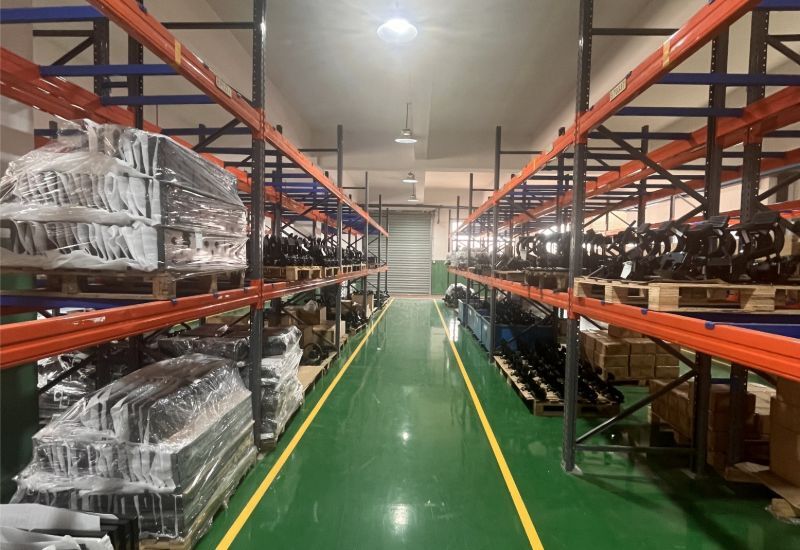
- In-house laser cutting, bending, welding, and powder coating provide complete one-stop manufacturing for structural weldments, serving OEM and aftermarket customers including Hyster-Yale, Hyundai, BYD Forklift, Lonking, and Noblelift, with exports to Germany, Turkey, India, Brazil, Vietnam, Korea, Malaysia, and Thailand.
Request a Quote
To receive an accurate quotation, please provide:
- Technical drawings of the seat frame (preferred), or a sample part
- The forklift brand, model, and seat/suspension type
- Annual volume and target delivery schedule
Contact: Lucy Cheung (Sales Director), +86 180 0670 2081, lucy.cheung@starsan.com | www.starsan.com
How to select the right seat frame
- Seat pan dimensions. Must match the seat cushion/cover you intend to use — width, depth and bolt pattern.
- Suspension type. Mechanical spring vs air suspension frames have different mounting and height profiles.
- Mounting hole pattern. Bolt spacing must align with the truck’s seat pedestal or slide rails.
- Weight rating. The frame and suspension must be rated for operator weight plus shock loads.
- Slide rail travel. Confirm fore-aft adjustment range suits the cab layout.
Seat frame FAQ
What is a forklift seat frame?
The structural base under the operator seat — including suspension and slide rails — that carries the operator and absorbs vibration.
When should a seat frame be replaced?
Cracked welds, a suspension that bottoms out, seized slide rails, or excessive rocking. A failed frame is both a comfort and a safety issue.
Mechanical vs air suspension — which is better?
Air suspension gives superior ride comfort for long shifts; mechanical is simpler and lower maintenance. Match the truck’s original spec or upgrade deliberately.
How do I confirm fitment before ordering?
Provide the forklift brand, model, and the mounting hole measurements plus photos of the old frame. We verify before quoting.
How do I get a quote?
Email lucy.cheung@starsan.com or call +86 180 0670 2081 (Lucy Cheung, Sales Director) with your forklift brand, model, and quantity.
 English
 German
 French
 Italian
 Spanish
 Russian
 Korean
 Portuguese
 Turkish
 Arabic